
Crypto Gambling
Bitcoin vs Ethereum for Crypto Gambling: Which Is Faster?
It was 1987 when I first saw a casino junket operator move money across state lines. Briefcase full of cash, security detail, paperwork that took two hours to process. Now it's faster to move crypto than it is to order a drink at the bar.
By Sara Lindqvist3 min read
Back in the 1980s, moving money into and out of a casino meant paperwork. Real paperwork. Physical documents. You'd bring cash, it'd get counted, it'd be logged, it'd go into a cage. The same process in reverse when you wanted out. Takes time. Takes people. Takes space.
Crypto changed that. Doesn't matter if we're talking Bitcoin, Ethereum, or any of the other chains. The principle is the same: you send money to an address, it confirms, you're done. No middle-man. No cage. No paperwork.
But not all chains are created equal when you're trying to move money fast.
Bitcoin's Approach
Bitcoin is the heavyweight. It's been around since 2009. It's the most established. You send Bitcoin to the casino's address, and after a few confirmations, it's there. Finality is certain. The network is bulletproof.
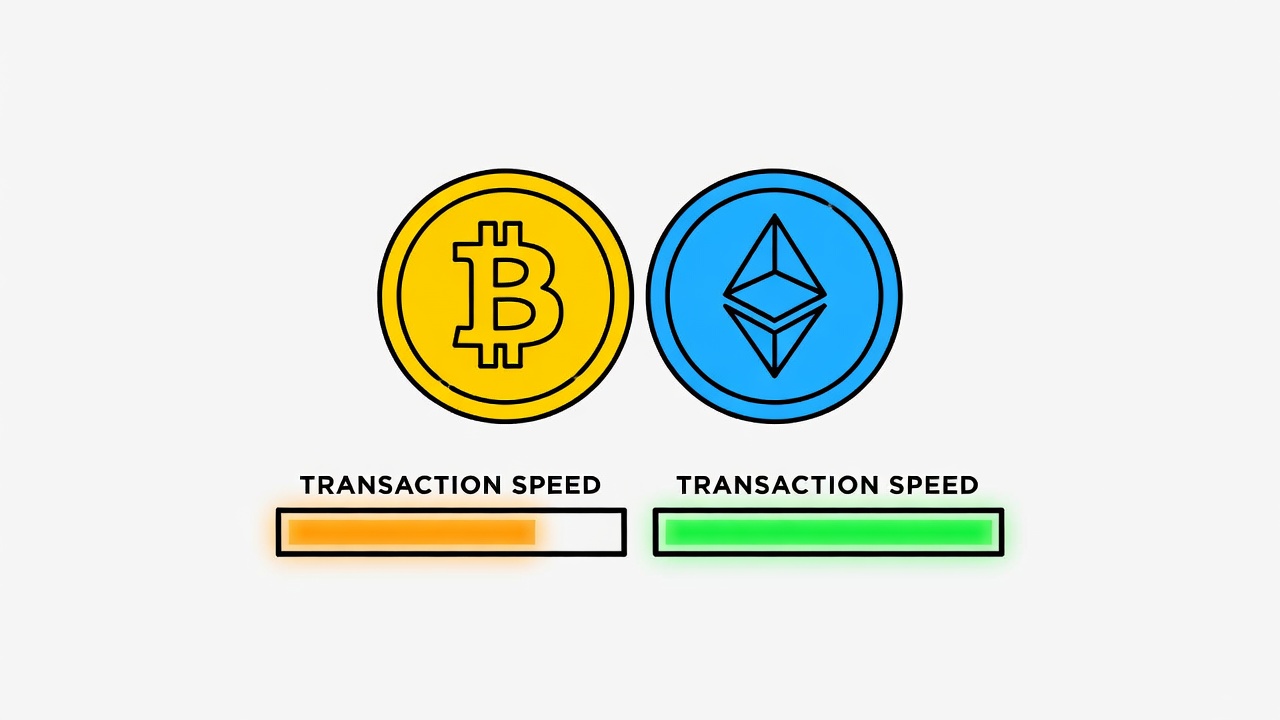
The problem: it takes time. Bitcoin blocks come every ten minutes on average. A transaction that comes in late in one block might not confirm until the next. If the casino wants to be cautious, they wait for six confirmations. That's an hour. Sometimes longer if the network is congested and your transaction gets low priority.
For a deposit, that's not ideal but it's survivable. For a withdrawal, waiting an hour is annoying. For a player who wants to move money fast, it's limiting.
Ethereum's Speed
Ethereum blocks come every twelve seconds. That's faster. A transaction on Ethereum will confirm in under a minute most of the time. Some casinos wait for twelve confirmations. That's still under two minutes.
But here's the catch: transaction cost. On Bitcoin, fees are simple. You pay in satoshis per byte. Ethereum fees are measured in gas. On busy days, the gas can get expensive. Send a deposit, and if the network is stressed, you might pay ten or twenty dollars for the privilege. Do that a few times a month, and the savings on speed get offset by fees.
The Layer 2 Problem
Smarter casinos put their crypto operations on layer 2 networks. Lightning for Bitcoin. Polygon for Ethereum. Arbitrum for Ethereum. On these networks, transactions are nearly instant and costs are pennies.
But they require more technical sophistication. The casino has to integrate with the layer 2. The player might have to bridge their coins from layer 1 to layer 2. Friction increases. Fewer people use it.
What Actually Matters
Honestly, for most players, the difference between Bitcoin and Ethereum is barely worth thinking about. You deposit, it confirms in under an hour either way. You withdraw, it confirms in under an hour either way.
What matters more is whether the casino supports the chain you want to use. Whether they have good exchange rates if they convert to fiat. Whether they have actual custody of the coins or if they're running a fractional reserve.
I've seen money move a lot of ways. Bitcoin, Ethereum, wire transfer, briefcase. The medium changed but the core truth stayed the same: you want your money to arrive reliably, and you want to know it arrived. Crypto does that. Which chain doesn't matter as much as people think.