
Payments
How Licensed Casinos Verify Identity for Table Games
KYC is the full-court press every regulated casino has to run. Here's why they care, what they're checking, and why lying on your information is the play that blows up the hardest.
By Alex Chen4 min read
Licensed casinos have to verify that you are who you say you are. This isn't theater or security theater. This is regulatory requirement. Specifically, it's Know Your Customer (KYC) and Anti-Money Laundering (AML) law, usually enforced by the UKGC, MGA, or FinCEN depending on jurisdiction.
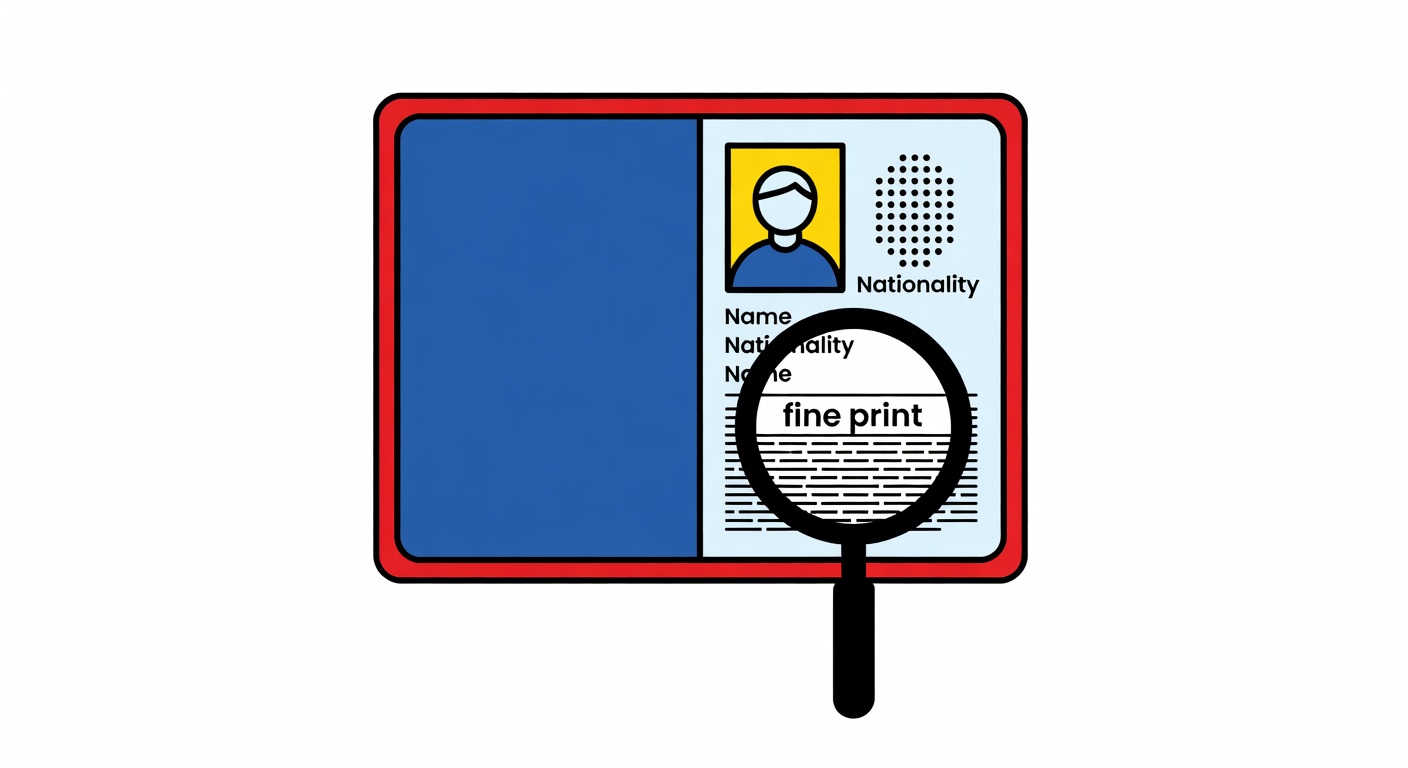
The process starts with identity documentation. Passport, driver's license, or national ID card. Some casinos want two forms of ID, which is standard in European operations. US casinos often want a Social Security Number. The idea is simple: multiple data points reduce the chance that you're using a fake identity.
Key Concepts
Then address verification. They want proof you live where you say you live. Utility bill, lease, property tax statement. The document has to be recent, usually within 90 days. This serves two purposes: confirming you're a real person in a real location, and establishing domicile for tax purposes.
Source of funds verification is where it gets tight. If you're depositing 50,000 dollars, the casino wants to know where that money came from. Employment letter. Bank statements. Investment documents. They're not trying to bust you for tax evasion, but they're trying to ensure you're not moving drug money or money seized by sanctions. If your source is legitimate, you have paperwork. If you don't have paperwork, the deposit gets declined or flagged.
Screening against sanctions lists is automated. They run your name against OFAC, UN, UK Treasury, EU sanctions lists. If you share a name with someone sanctioned, there are additional questions. If your actual name is on the list, you're denied. This is technical compliance that happens in seconds.
For table games specifically, the verification happens before your first session. Once verified, you get an account. Subsequent play just requires login. But the casino is still monitoring. Large wins trigger additional scrutiny. If you deposit 500 dollars and win 50,000, that variance is flagged for manual review. Not because you've done anything wrong, but because extreme variance warrants attention.
Live dealers verify identity in real-time at the table. They ask for confirmation: last name, address confirmation, account ID. This is to prevent account sharing or theft. If someone other than the account owner is playing, the session is supposed to be terminated.
The consequence of lying is severe. Casinos don't forgive. If you provide false documentation, your account is closed, funds are seized, and you're reported to the regulators. This can impact your ability to open accounts at other licensed casinos. You also face potential criminal fraud charges, which is a pinch-hit nobody wants.
The system seems elaborate because it is. Casinos are liable if they fail KYC. If a sanctions violation slips through, the casino can lose its license. So the processes are thorough and they're repeated. Verification is not a one-time gate; it's a continuous compliance system.
One advantage to the player is that the process is the same everywhere. A casino licensed in Malta must follow the same KYC procedures as one licensed in the UK. The MGA's standards are clear and consistent. If you're verified at one casino, you understand what the bar is.
The speed varies. Some casinos verify accounts in minutes. Others take 48 hours. The difference is usually in how much manual review is required. If your documentation is clean and you're a domestic customer in your jurisdiction, verification is fast. If you're international or your documentation is slightly unclear, manual review happens.
For table games, the identity of the player is crucial because table play is where fraud risks are highest. Collusion is possible. Insider threats are possible. Verifying you are who you say you are prevents someone else from claiming your wins or opening accounts in your name.
The system is built to protect casinos from regulatory risk, but it also protects you. Your verified account is proof that you're the one who won, not someone else. Your KYC documentation is in the file. If anything is disputed, that documentation backs your claims.
The lesson: go through KYC cleanly. Provide real documentation. It takes fifteen minutes and it solves every future problem. Trying to cheat the system is pennies on dollars compared to the hassle. The casinos have seen every trick. Just verify yourself properly.