
Crypto Gambling
iTech Labs and GLI: A Look at Casino Testing Agencies
Before a single hand is dealt at any regulated online casino, iTech Labs and GLI have already run 10,000 test hands, checking RNG bias, checking payout percentages, checking everything. Here's what these agencies actually do.
By Sara Lindqvist3 min read
The Subject: RNG Testing at Scale
It was November 2016 when BC.Game needed to prove their slots were fair. They didn't call an auditor. They called iTech Labs.
Why? Because every jurisdiction that licenses online casinos requires third-party testing. Malta's MGA, Curaçao eGaming, the Isle of Man. You cannot operate without it. And there are three names that matter: iTech Labs, GLI (Gaming Laboratories International), and a few smaller outfits.
What iTech Does
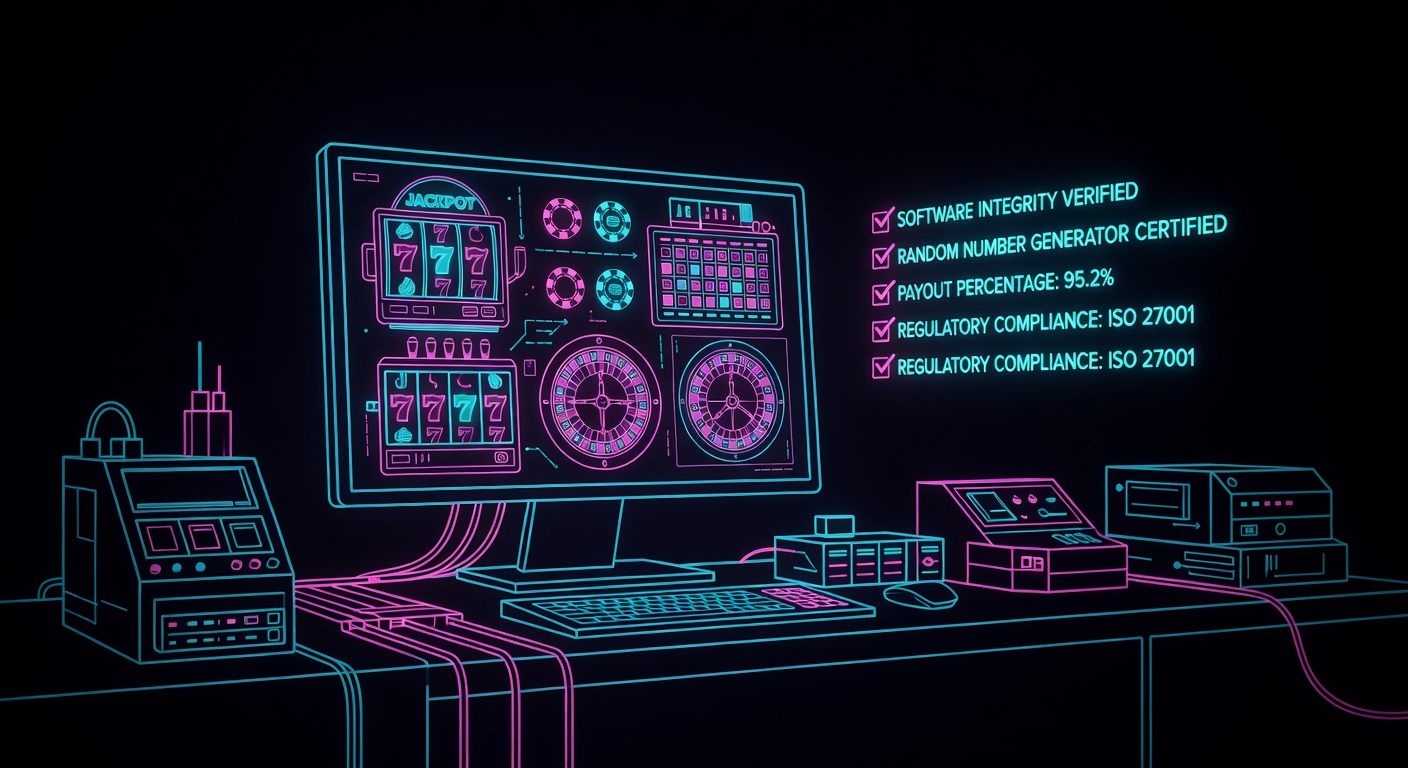
iTech Labs runs the actual mechanical tests. They take your game code. They simulate 10 million hands. They check the random number generator (RNG) for bias, check payout percentages against claimed RTP, check for edge cases where the game could be exploited.
It takes months. It costs money. But the output is a certificate that says: this RNG produces random numbers. This slot actually pays 95.5% RTP like you claimed. No hidden bugs.
When Cloudbet released their game suite in 2019, iTech certified every single title. This is not theatrical. This is technical archaeology. Code review. Statistical analysis. Probabilities.
GLI's Role
GLI is slightly different. They test the infrastructure. The casino's entire platform. They verify random number generation, payment processing security, player protection mechanisms, deposit limits, self-exclusion functionality.
One case: a casino operator in the Bahamas wanted to go live with USDT deposits. GLI tested the wallet integration, tested the smart contract interaction (if on-chain), tested failure scenarios. What happens if a deposit gets stuck mid-confirm?
This is systems-level testing. Not just "does the slot work" but "does the entire casino work and is player money protected."
Why You Should Care
Every legitimate operator gets certified. Stake uses iTech. BitStarz uses GLI. Bitcasino uses both for different products. This is your guarantee that the RNG isn't rigged in real-time, that the payout percentage isn't secretly lower, that the game data can't be intercepted.
These agencies have regulatory muscle. Malta MGA, Curaçao eGaming, they rely on third-party audits to actually govern the industry. An operator cannot fake a GLI certificate. You can verify it.
The Testing Process: Six Months Start to Finish
Round one: submission. The operator sends code, documentation, RTP claims, game specifications.
Round two: initial review. GLI or iTech checks the submission package for completeness. If incomplete, back to square one. Weeks pass.
Round three: simulation testing. This is where the 10 million hands happen. Statistical analysis. Variance testing. The agency runs the game in a simulation environment and compares outcomes to claimed RTP.
Round four: documentation audit. They review every audit log, every payout record, every player transaction.
Round five: final testing and site validation. A test operator account is created. The tester plays real hands on the live platform. They verify that the certified game on the platform is actually the certified game they tested.
Round six: certification issuance.
The Economics
An iTech certification costs roughly 5,000 to 15,000 USD depending on game complexity. A full casino platform audit from GLI can be 30,000 to 100,000 USD. Renewal happens annually, costs less.
Operators factor this in. It's a line item on the budget. It's also a liability hedge. If a player alleges the game was rigged and the operator has a current iTech certificate, the defense is strong.
What They Can't Test
They can't test whether the casino is skimming. They can't test whether the operator is running an illegal jurisdiction or violating player protection rules. They certify the game. The casino structure is on the operator.
They also can't test for player collusion, multi-accounting, or fraud by the operator themselves. What they verify: if the game is installed correctly on the platform, it will behave exactly as the certification says it will.
Real Numbers
KETC, the Kenya eGaming Authority, requires all operators to use either iTech or GLI. Stake Kenya, BC.Game Kenya, they all have current certificates. You can request to see them.
When Ethereum-based casinos tried to emerge in 2020, they claimed on-chain settlement meant no testing was needed. Regulators disagreed. They still needed iTech or GLI certification, or they couldn't operate in most jurisdictions.