
Guides
Mobile-Optimized Slots: What It Really Means
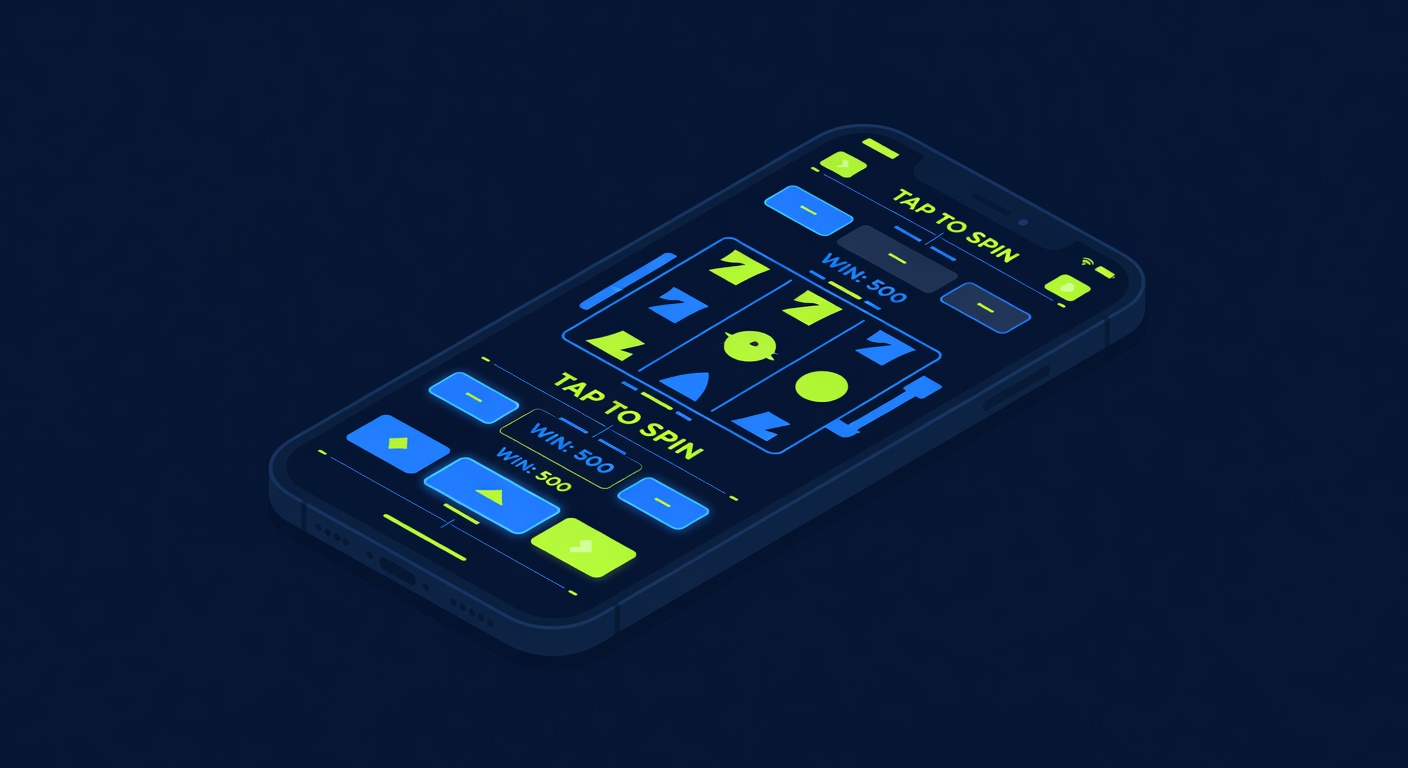
A mobile slot isn't a desktop slot shrunk to fit a phone. It's a separate game. Different interface. Different button placement. Different rhythm. The supplier designs it around thumbs, not clicks.
By Alex Chen3 min read
Mobile-optimized slots are built for a specific interaction pattern: thumb control on a vertical screen, interruptions every thirty seconds, no keyboard input. These constraints create different games.
What Changes from Desktop to Mobile
A desktop slot occupies a 1024x768 window minimum. Buttons surround the reel area: spin, bet max, auto-spin, settings. Everything is finger-click distance away.
A mobile slot (on iOS or Android) occupies 400x700 pixels of a phone screen. All controls must fit below the reel area. This means buttons stack vertically, not horizontally. The reel area grows larger relative to button controls.
Desktop slots use a mouse. A user moves a cursor, clicks, and the action happens instantly. Mobile slots use touch. A user taps, and there's a 200-millisecond delay (the device waiting to confirm it's a single tap, not a double-tap). This tiny delay changes the rhythm.
Most importantly: a desktop user is sitting. A mobile user is standing on a train, or sitting on a couch while watching television, or sitting in a restaurant waiting for food. The interruption model is completely different.
How Providers Adapt the Game
Pragmatic Play, NetEnt, and IGT all design mobile and desktop versions separately. The RTP is the same (regulatory requirement). The mathematical volatility is the same. The game mechanics are identical. But the interface is purpose-built.
Spins on mobile take longer. A desktop user spins at 5-second intervals (reel animation is fast, minimal). A mobile user spins at 6-second intervals. This is deliberate. Mobile internet can be slower. Pragmatic ensures the animation won't stutter.
Auto-spin buttons work differently. On desktop, you might set auto-spin to 50 spins. On mobile, the recommended auto-spin is 10 spins. Why? Because a mobile user is more likely to be interrupted and forget they're spinning. Fewer spins means a smaller loss before they look back at their phone.
Font sizes are larger on mobile. Bet amounts must be readable at thumb distance. Button targets must be larger (a finger is less precise than a cursor).
Why Suppliers Care About Optimization
A player on a desktop might spin for 45 minutes uninterrupted. A player on mobile might spin in seven-minute chunks. Interrupted play means lower session value per play.
Since the house edge is the same, lower session value means lower expected casino profit. So why optimize for mobile? Because the addressable market is huge. More people own phones than own computers. A mobile slot accessible to millions is worth more than a desktop slot accessible to thousands.
The optimization also reduces complaints. If a mobile slot lags, freezes, or crashes frequently, players delete the app. If it's smooth and responsive, they keep using it. Optimization is maintenance, not marketing.
The Technical Realities
Mobile phones are less powerful than desktops. A five-year-old laptop can run graphics that would choke a three-year-old iPhone. Suppliers optimize reel animations to run smoothly on older hardware.
They also optimize for data usage. A mobile player might be on a cellular connection. Playing 100 spins while streaming video will drain data fast. Suppliers compress the game assets and reduce animation detail to keep data usage low.
Battery is a factor too. Screens use power. Pragmatic intentionally dims animations slightly on mobile to reduce battery drain. The visual difference is imperceptible. The battery impact is measurable.
The Player Experience
A beginner notices none of these differences. The game plays smoothly, spins happen regularly, wins happen when they happen. The person who never bothers to compare desktop and mobile versions won't notice that one is designed for sitting and one for standing.
But a player who switches between the two will feel the difference. Mobile feels slightly slower. Desktop feels slightly quicker. This is intentional, not a bug.