
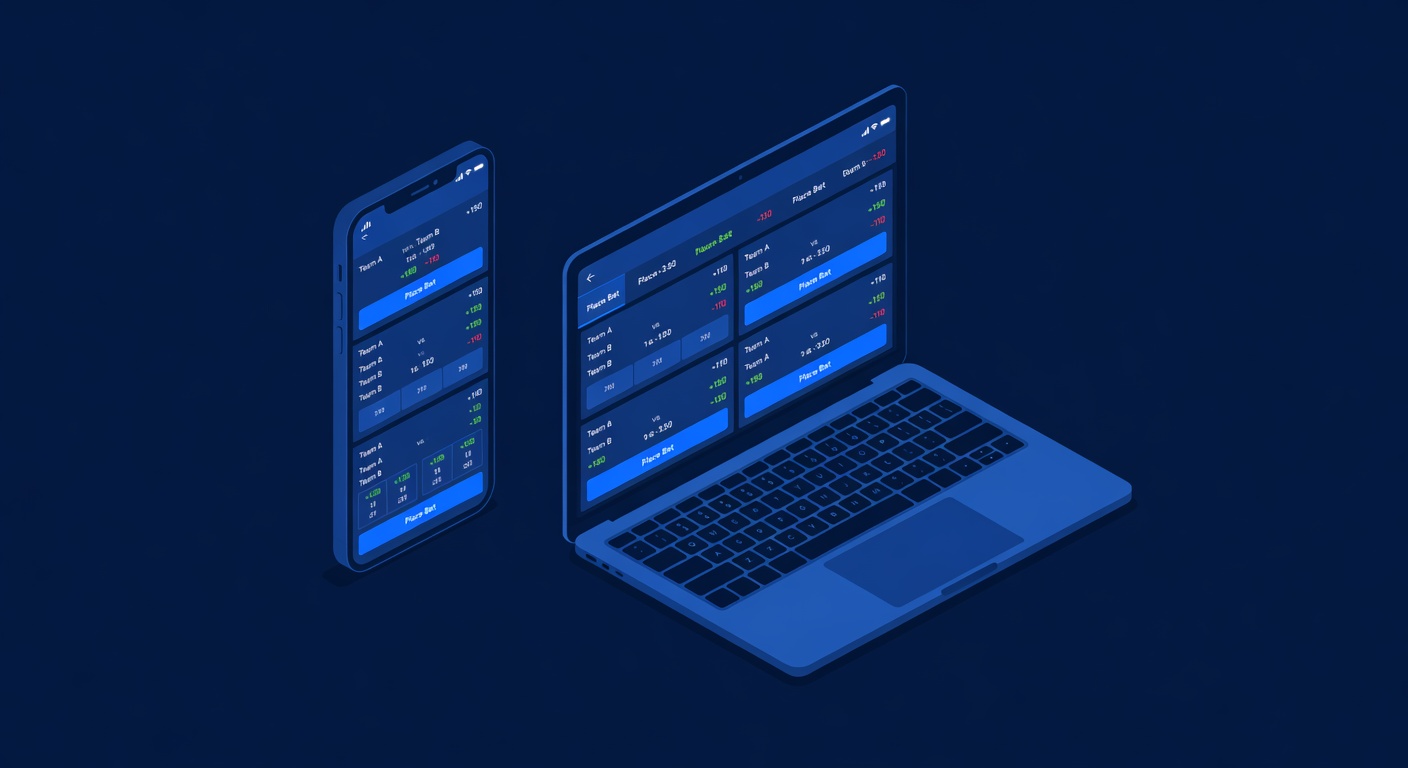
Mobile
Mobile Sports Betting vs Desktop: Pros and Cons
mobile gets used more. desktop lets you actually think. the tradeoff matters less than people pretend, but it's a real tradeoff.
By Alex Chen5 min read
mobile sports betting is the default now, and the desktop version is basically a legacy product for people who like spreadsheets and drink coffee while they bet.
you can keep both. most people do. the interesting question is which is the main tool and which is the backup, because the answer says something about how you bet.
why mobile won
95 percent of active sports bet volume in regulated U.S. markets lives on a phone now. that's not a vibe, that's the state gaming commission data from new jersey and pennsylvania filings through 2023. mobile is where the betting happens.
the reason is simple. sports happen in living rooms, in bars, at the stadium, at the airport. the phone is where you are. the desktop is where you aren't.
the UX is also better for most actions. the major books (drafkings, fanduel, caesars, bet365) have spent a combined nine figures on their apps and it shows. same-game-parlay builders, cashout previews, live bet interfaces. those are mobile-first products. the desktop version is often a slightly awkward port of the app.
where desktop still wins
this is where it gets real. desktop still beats mobile on a few specific things and if you do any of them, keeping the desktop flow is worth the friction.
- research surface area. you can have the odds board open, a stat page open, a line-movement tracker open, and a twitter feed open all at once. on a phone you're app-switching like a raccoon going through the garbage.
- spreadsheet betting. tracking your own wagers in a sheet, pulling closing line value after the fact, running any kind of model. you're not doing this on a phone.
- multi-book line shopping. if you have accounts at five books (the crypto natives reading this already do) you need tabs. five tabs. the mobile version of this is a nightmare.
- long-session pre-game research. anything that takes more than 20 minutes of focus reads better on a big screen. your eyes are different. your brain processes more information per minute. this is well-documented in cognitive load research and anyone who's tried to read a research note on a phone knows it.
where mobile wins that isn't just convenience
- live/in-play betting. the latency on a mobile app is actually lower than on most desktop browser sessions, because the apps maintain persistent websocket connections and the browser sites often don't.
- biometric auth. touchid/faceid to approve a bet is a real friction reducer. no typing passwords.
- push notifications for line moves. set alerts, get them. desktop has this too but it's clunky.
- geolocation. the mobile apps do geolocation better than desktop browser geolocation, which is why some state-regulated books don't even allow desktop play in certain jurisdictions.
the "limits" question that everyone asks but nobody in the mainstream writes about
here's the thing. books limit winning players. the books know who you are regardless of device. "i'll bet on desktop so they don't know it's me" is not a real strategy.
but device fingerprinting and behavior analytics do matter in a different way. the books log your mouse movement patterns, your latency on clicks, your swipe velocity. they use this to flag suspicious behavior (multi-accounting, bots, sharps). a brand new mobile install might look different from a year-old desktop session. this is fingerprint stuff, and yes, it's closer to what on-chain people think about as "pattern analysis" than most tradfi realizes.
if you're a recreational bettor none of this matters. if you're the kind of person who refreshes the odds page hoping to see a stale line move, book risk teams are looking at you on both device types.
battery, latency, dropouts
the understated mobile downside is that live betting on a phone during a big game is an adversarial environment.
your phone battery is dying. you're on the stadium wifi, which is saturated. the app needs a stable connection and the state-required geolocation pings need to succeed. you've been in the middle of placing a live bet when the connection drops and the odds have moved by the time it reconnects. this has happened to me multiple times. "the app did it" is not a valid dispute.
desktop at home on a wired connection does not have this problem. this is mundane but it compounds over the course of a season.
the crypto sportsbook question
the crypto-native book experience (stake, rollbit, the thunderpick-adjacent ones) leans more mobile than the regulated U.S. books, actually, because they're not constrained by geolocation requirements. install the pwa, log in with a wallet, you're done. no state-mandated kyc gate on every login.
the desktop experience at those books is fine. but the mobile app stacks at crypto books are often thinner than regulated-book apps because they can't be on the official ios/android app stores and have to distribute as pwas or sideloaded apps. that's a real UX haircut versus a native app.
so: if you're betting on a regulated U.S. book, mobile is the better product. if you're betting on a crypto book, desktop is actually more polished in most cases.
what i actually do
mobile for live bets, cashouts, and last-minute plays. desktop for any pre-game work that requires more than one tab or a five-minute attention span.
if you only use one, use mobile. the convenience tax on the desktop flow is high enough that most people eventually drop it.
if you use both, keep clear about which one is for what. the sloppy hybrid, where you start researching on desktop, open the phone to place the bet, forget where you were, and re-research on the phone, is the worst of both. pick a lane per session.
the tools don't make you a winner. they just determine which friction points you'll curse about.