
History
Mobile Sports Betting vs Desktop: Pros and Cons
Your phone has provably fair code running in real-time. The bet settles in seconds. Desktop remains faster for research. Neither is better. They're different instruments for different jobs, and most bettors use the wrong one for the job at hand.
By Alex Chen3 min read
The question of mobile versus desktop is really a question of decision speed versus decision quality. A bettor who wants to decide in ten seconds should use mobile. A bettor who wants to decide in ten minutes should use desktop and never look back.
Mobile Sports Betting: Architecture and Feel
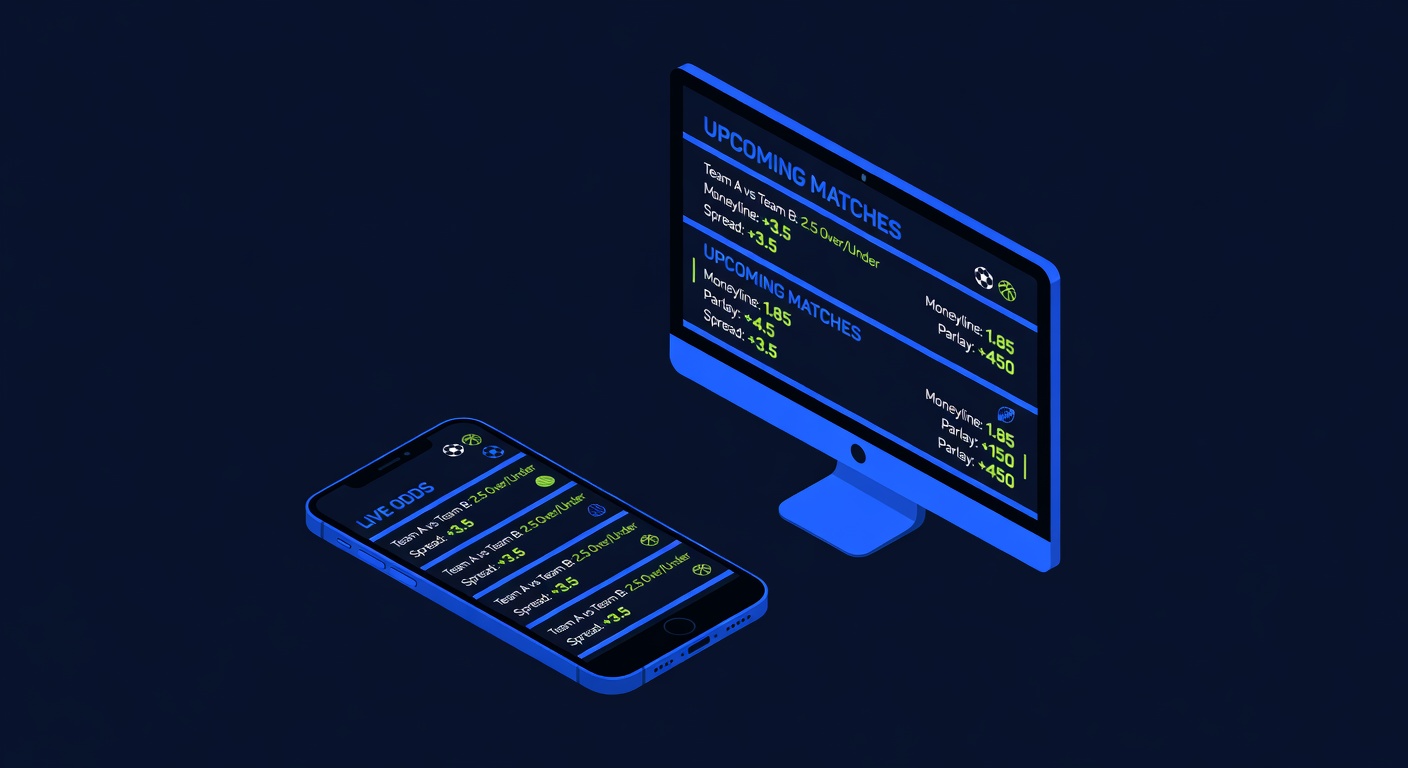
A mobile app (DraftKings, FanDuel, Stake) lives on your device. The odds are pushed to your phone in real-time. You tap three buttons and your bet is placed. No page load. No navigation. The transaction time from "I want to bet" to "bet confirmed" is under five seconds.
This creates a behavioral trap. Betting becomes effortless. A bad decision takes the same amount of time as a good decision. A sharp bettor with real edge might place ten bets a day. A casual who thinks they have edge but doesn't will place twenty, and the extra ten will have lower quality.
The technical advantage of mobile: notifications. You get alerts when line moves happen. You get reminders about games starting. BetRivers sends push notifications when a line is about to close. This is useful if you're monitoring multiple games and want to exploit fast-moving value.
The technical disadvantage: screen real estate. You can't build a spreadsheet on a phone. You can't compare odds across multiple sportsbooks simultaneously (though some apps let you do this in split-screen). You can't research detailed team stats without flipping between apps.
Desktop Sports Betting: The Research Platform
Desktop lets you have eight tabs open: stats for team A, injury reports, historical matchups, weather data, two different sportsbooks' odds, a betting tracker, and a sharp-action tracker.
A serious bettor works this way. They spend forty-five minutes building a thesis about a game. They identify mismatches. They see where the market hasn't priced in information. Then they place one or two bets and wait.
Desktop also keeps you slower. A desktop bet requires loading a page, navigating to the game, finding the line, selecting the wager, entering the amount, confirming. This seven-step process is friction. Friction is good for thinking.
Mobile skips to step five. This is bad for thinking.
Speed versus Quality Trade
Some bets need speed. A line moves from -110 to -115 in thirty seconds. If you're at a desk with a mouse, you might make it. If you're on mobile with push notifications, you definitely will. If you're trying to research, you'll miss it entirely.
But most bets don't need speed. An NFL game starts in four hours. You have four hours to decide. Using mobile for that decision is choosing speed over quality.
The Bettor Archetypes
The sharp uses desktop for research and mobile for execution. Phone in hand for quick action on discovered value. Desk setup for building the thesis.
The casual uses mobile for everything because it's convenient. They place bets while commuting, at dinner, in bed. The convenience compounds into a massive disadvantage because they're not thinking deeply.
A third type uses mobile constantly but has rules. No bets before 11 a.m. No bets based on notifications alone. No more than three bets per day. These rules create a structure that stops convenience from becoming degradation.
The Honest Assessment
If you're beating the sportsbooks right now with your current approach, keep doing what you're doing. If you're not, you probably spend too much time on mobile and not enough time doing the work.
Mobile betting exists because it drives betting volume. Higher volume means more losing bets from casual players, which means more profit for the sportsbook. The sportsbook didn't invent mobile because they thought bettors would make better decisions. They invented it because they knew bettors would make faster ones.