
Live Casino
How Multi-Camera Angles Work in Live Baccarat
You walk into a live baccarat studio and the first thing that hits you is the setup: cameras mounted at angles that make every card visible, every detail legible, every moment of suspense built for a screen. The technology is designed to put you at the table.
By Elena Popov3 min read
The live baccarat experience is a choreography of cameras working together to create a single narrative. You don't walk into the studio; you're placed there by technology, and every camera angle is a deliberate choice.
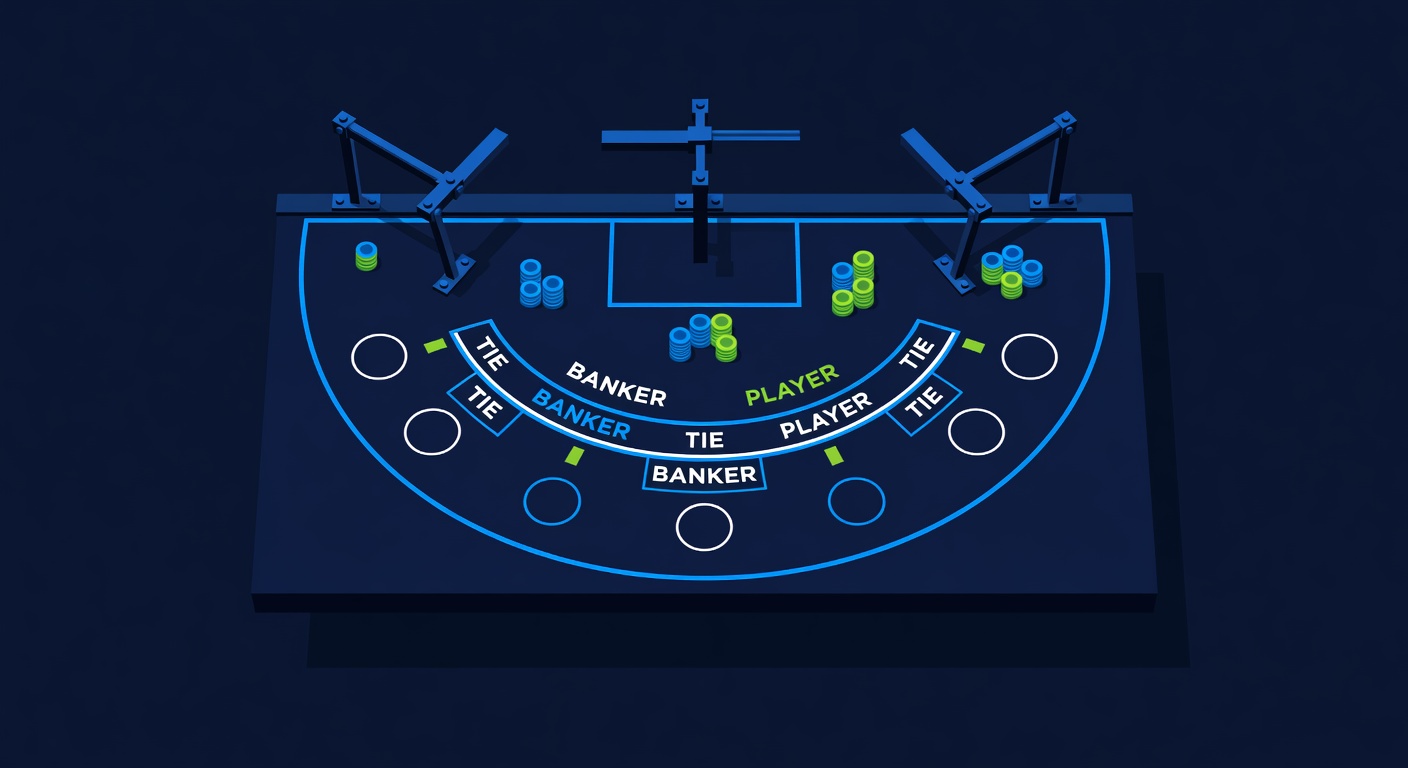
The main shot comes from above, slightly elevated, wide enough to capture the entire table layout. You see the dealing shoe, the discard tray, the play area for Player and Banker cards. This is your orientation shot. This is where you understand the geography.
Key Concepts
Then the close-up cameras kick in. One trained on the shoe as cards slide out. Another on the dealt cards as they land on the felt. A third on the discard pile. These shots move in sequence: card leaves shoe, hand delivers it, card lands, camera zooms. The rhythm is controlled. The tension builds intentionally.
The technology works because baccarat is a game of revelation. Nothing is hidden. Your job as a viewer is to see the cards, trust the dealing, feel the build as totals are announced. The cameras serve that single purpose. They make you see.
The close-up on the card flip is critical. When a card is turned, the camera is already there, locked on, giving you the exact angle you would have if you were seated. You see the corner, then the full face. The timing isn't accidental. Software manages the camera transitions so that by the time a result is final, you've seen it the way a player seated would.
High-end studios run multiple redundant angles. If one camera fails, another is already capturing the moment. The backup system is invisible to the viewer but critical to the operation. Regulatory bodies often require this. The math has to be verifiable. Every hand has to be recoverable from multiple angles.
The dealer is also captured in ways you might not notice. Their hands, the speed of their movements, any deviation from standard procedure. This isn't theater; it's evidence. Regulators watch these feeds. If a hand is disputed later, the footage is law.
Audio is part of the camera work. The sound of cards sliding, chips being moved, totals being called. This audio syncs with the video. If the audio doesn't match the visual, something is wrong. The whole system is built on this integrity.
The evolution of multi-camera baccarat parallels the evolution of television itself. Early live casino streams used single cameras. Players complained they couldn't verify the dealing. Operators responded with more angles. Now the best studios have seven to ten camera feeds on a single table, all managed by a director who chooses which feed you see at each moment.
The software that manages this is proprietary. Pragmatic Play, Evolution Gaming, NetEnt Live, these operators have spent years developing systems that deliver the perfect angle at the perfect moment without any perceptible lag. A viewer watching from their phone in Tokyo should see the card flip at nearly the same moment the player at the physical table does.
This technology is expensive. It's also why you can trust what you're seeing. The barrier to entry is high enough that casual operators can't replicate it. The regulated studios invest because their entire license depends on the integrity of the video evidence. A card swap, a second deal, a misdirection would be visible. The cameras catch everything.
The experience is immersive precisely because the technology is invisible. You don't think about camera placement while you're watching. You only notice if a camera is missing. You only see the seams if the feed lags. Good camera work disappears. You're just at the table, cards are moving, decisions are happening, outcomes are being revealed. The cameras made that happen.