
Live Casino
Random Number Generation vs Live Dealers: Fairness Compared
Understanding RNG Games An RNG (Random Number Generator) is a piece of software that produces sequences of numbers with no predictable pattern.
By Sara Lindqvist3 min read
Understanding RNG Games
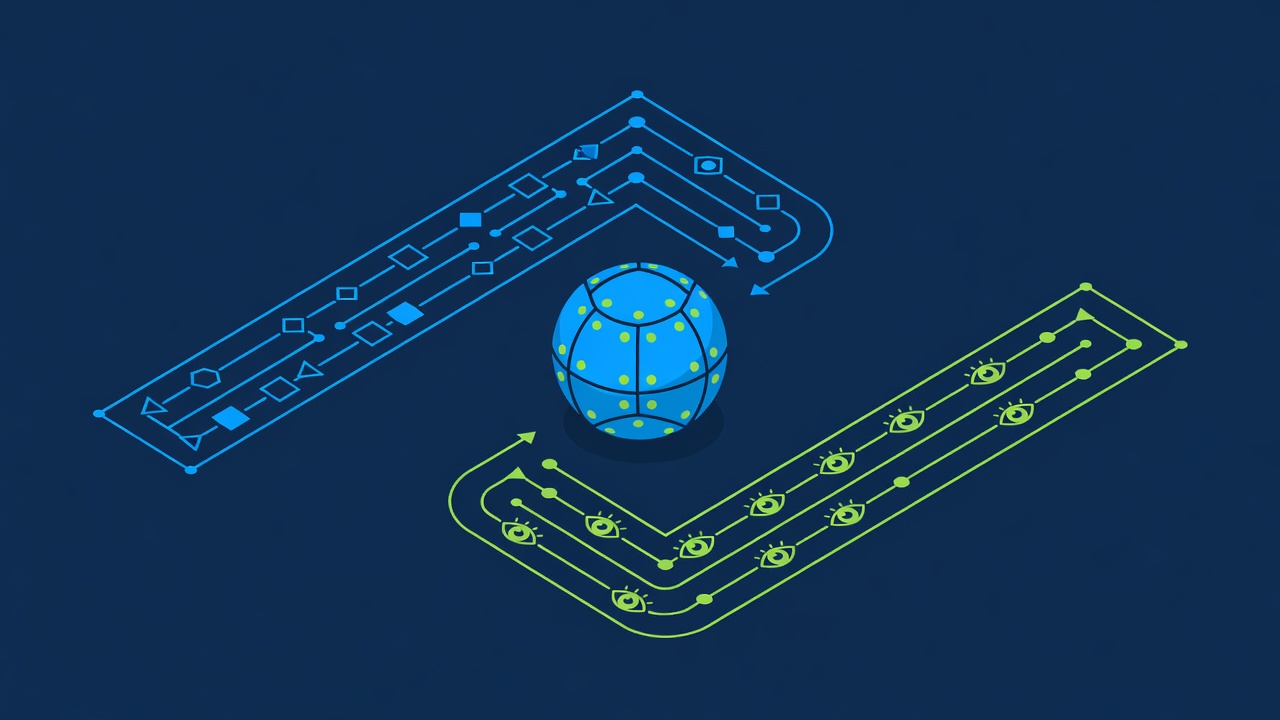
An RNG (Random Number Generator) is a piece of software that produces sequences of numbers with no predictable pattern. Online casinos license RNGs from third-party providers like Microgaming, Pragmatic Play, and IGT. Before a casino can operate, the RNG is tested by an independent laboratory (GLI, eCOGRA, TST). The lab runs millions of hands or spins through the RNG and checks that the output matches the statistical profile you would expect from a truly random process.
Is an RNG-based game fair? The answer is yes. The math is fair. You have the house edge that the game specifies (2.7% for European roulette, 0.5% for blackjack with optimal strategy), and that edge holds over a sample large enough to be reliable.
Live-Dealer Games and Fairness
Live-dealer games use physical cards, wheels, or dice. A real dealer in a real studio shuffles a real shoe and deals a real hand. You watch on a video feed. The dealer is not trying to cheat; the studio is on-site with a regulator, and dealer cheating is difficult, risky, and unnecessary because the house already has a mathematical advantage.
Is a live-dealer game fair? Yes, also. The math is identical to the RNG version. European roulette is still 2.7%. Blackjack is still 0.5% with strategy.
The Preference Gap
Most players prefer live dealers. Why? Not because they are fairer (they are not). Because they feel fairer. There is a particular kind of reassurance that comes from watching a human shuffle a physical deck. You can see that the deck is real. You can count the cards if you want. You cannot do that with an RNG.
This is not irrational. The shift from RNG to live dealer does eliminate certain theoretical risks. An RNG could theoretically be biased against you specifically. A casino could load an RNG to pay less to high-volume players. This would be illegal, would be caught by audits, and would destroy the casino's license. But the theoretical risk exists. A live dealer cannot selectively bias outcomes. The only way to cheat is physical card marking or miscounting, both visible to observant players.
The fairness is mathematical. The trust is psychological.
The Cost Tradeoff
Live dealers are expensive. A live-dealer studio in Manila or Eastern Europe costs about 10,000 dollars per month to operate (rent, dealer salaries, internet, camera equipment). An RNG-powered slot costs essentially nothing beyond licensing fees.
Casinos pass these costs to players in the form of slightly worse odds or higher house edges. Some live casinos offer the same odds as RNG games, accepting lower margins to attract VIP players. But in general, you are paying a premium for the psychological comfort of seeing a real dealer.
When Does This Matter?
For casual players making one deposit and playing until it is gone, the difference is negligible. For someone who plays regularly and seriously, the choice between RNG and live dealer affects your long-term loss rate. Play 100 hours at a 1% house edge versus a 1.5% house edge, and the difference compounds.