
Bonuses
Stablecoins Like USDT and USDC for Casino Deposits
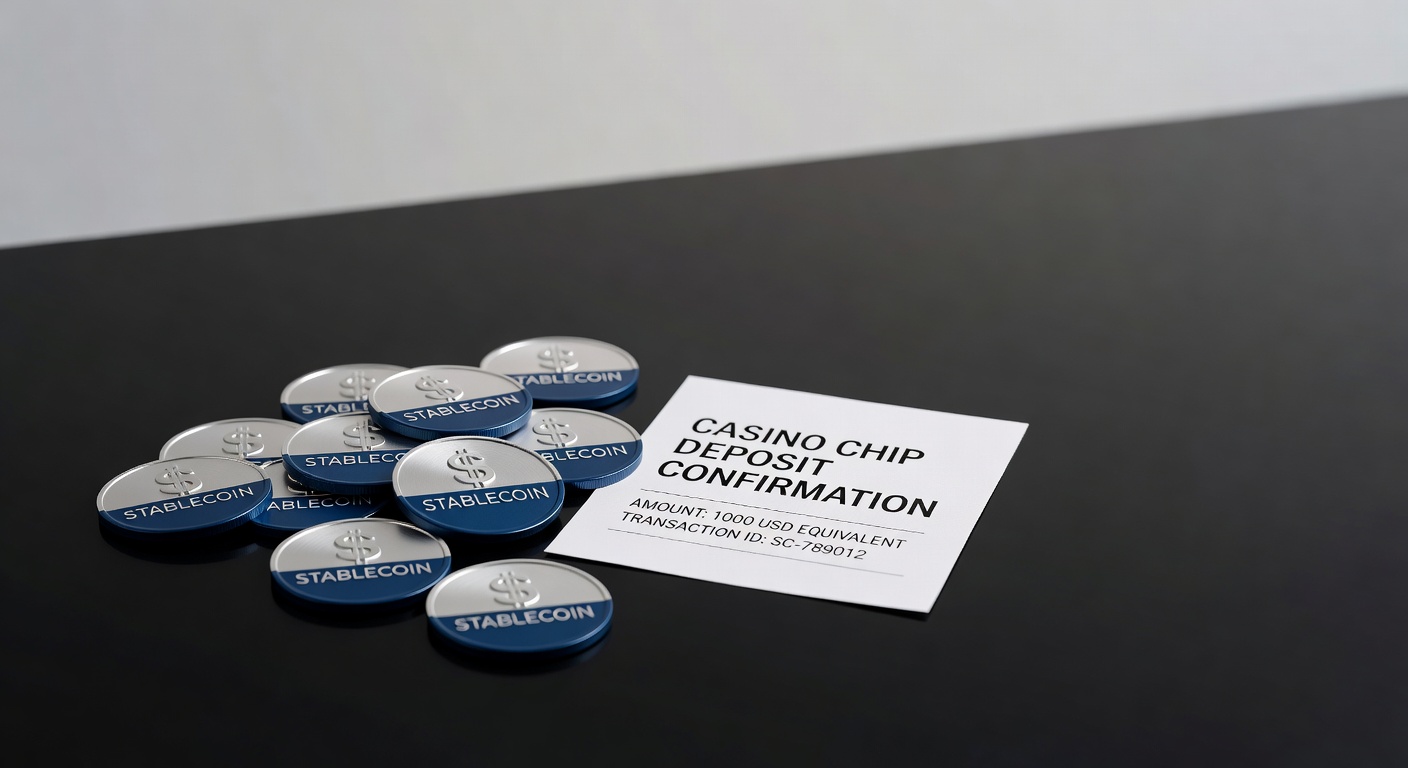
A stablecoin tied to the dollar offers something the dollar itself cannot: instant, borderless transfer to a casino. This is what the Austrian school gets right about money substitutes. The question is not whether they work, but what you're trading for convenience.
By Alex Chen3 min read
The subjective value you receive from holding USDT at a casino deposit address is the ability to move funds without banking infrastructure. This is not trivial. A wire from your bank to an offshore casino can take seven business days. A stablecoin deposit settles in minutes. The discount rate between instant liquidity and delayed liquidity is significant.
What you trade is counterparty risk. When you hold a dollar in your bank account, you hold a claim against the bank. When you hold a unit of USDT, you hold a claim against Tether Limited, a private company. When you deposit either into a casino, you hold a claim against the casino.
How Stablecoins Work at the Deposit Level
USSDT (Tether) and USDC (Circle) are both ERC-20 tokens on Ethereum. When you send them to a casino wallet address, the transaction appears on the public blockchain within seconds. The casino sees the transfer and credits your account. No middleman. No delay.
The casino can hold stablecoins, swap them for fiat currency, or keep them as inventory. Most casinos with stablecoin integration do one of three things: swap immediately for fiat, hold them as part of their reserves, or use them for withdrawals (so player stablecoin becomes casino inventory, then gets sent to the next player requesting withdrawal).
USTC (which is what USDT trades on) offers faster settlement than wire. USDC does as well. Both are pegged to the dollar. The relationship between supply and redemption is the mechanic that keeps them pegged.
The Redemption Question
Tether maintains that every USDT token represents one dollar held in reserve. Auditors have confirmed this in limited form. Circle publishes attestations monthly. Neither is a perfect system, but both are transparent enough that major casinos accept them.
When you deposit USDT and the casino swaps it for fiat, Tether redeems the token. Your unit of USDT gets destroyed in their system. Someone's bank account receives an actual dollar. The process is mechanical.
The key risk: if you deposit USDT and the casino fails, your USDT goes with it. It's not USDT collapsing that breaks you. It's the casino being unable to cover withdrawals. Your claim is against them, not against Tether.
Time Preference and Marginal Utility
You benefit from stablecoin deposits if your time preference is high. If you value playing today over playing next week, the seven-day wire delay costs you utility. The stablecoin deposit captures that utility gap. The casino benefits because they get player deposits faster than traditional banking allows.
The casino also benefits from keeping stablecoin reserves. Money sitting in stables can be moved to the next player requesting withdrawal, cutting the casino's need for enormous fiat reserves. This is marginal, not transformative, but it's real.
For a player, the trade is simple: accept stablecoin counterparty risk in exchange for speed. If you trust the casino's solvency and Tether's peg, the trade is rational. If you don't, it isn't.
The honest assessment is that this distinction matters most in the long run. Over hundreds of hands or bets, these details compound. But for casual players, understanding the basics is more important than mastering every nuance.