
Guides
Understanding Deposit Declines: Common Reasons and Next Steps
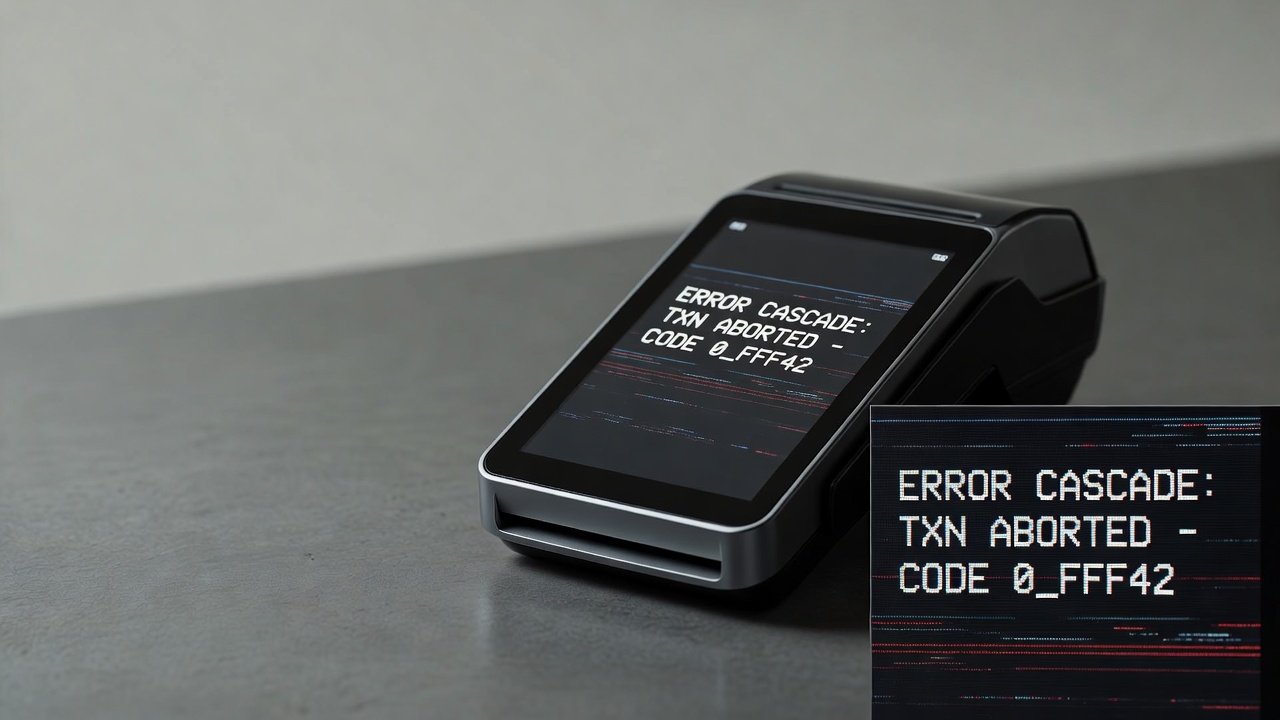
The card won't go through. You've been playing for three hours, the session's going well, and now you want to add more money. The casino app says the deposit failed. No error code.
By Sara Lindqvist3 min read
The card won't go through. You've been playing for three hours, the session's going well, and now you want to add more money. The casino app says the deposit failed. No error code. Just declined.
This happens to more people than you'd think. Not because anything is wrong with their account or their money. It happens because the system is built to stop things.
When you send money to an online casino, it doesn't just go from your bank to them. It goes through processors, payment gateways, fraud detection systems. Each one is a checkpoint. Each one is making a decision: allow or block.
Why Deposits Fail
The most common reason is geographic. Your bank is in the US. The casino's processor is licensed in Malta. US banks and Maltese processors don't have a straight-line connection. The transaction goes through a third party. That third party sees: US card, gambling transaction, red flag. Declined.
Another common reason is volume. You've deposited three times in the last seven days. The system interprets this as unusual activity. For compliance purposes, unusual activity gets reviewed. Review takes time. The transaction gets queued.
A third reason is the processor's own rules. Some processors have daily limits, weekly limits, or per-transaction limits. Visa can push back on gambling transactions. MasterCard has its own policy. Some processors simply won't touch online casinos. Your bank uses one of those processors. Declined.
Less common but important: the casino failed to renew their processor agreement. This is administrative failure. The processor stopped accepting transactions from them. Your deposit fails not because of your account but because the casino lost its payment rails.
What To Do
First, check the receipt. Some casinos send a failure notice with a code. That code tells you what happened. "Blocked by issuer" means your bank or card company said no. "Insufficient funds" means it's not a system problem, it's a money problem. "Invalid merchant" means the casino's setup is broken.
If it's a bank block, call your bank. Tell them you're trying to deposit at a licensed online casino. Ask them to unblock the transaction. Some banks will. Some have a blanket policy against gambling and won't. If they won't, you need a different payment method: crypto, wire transfer, e-wallet.
If it's a processor issue, contact the casino. They can see on their end what failed. They might reroute you to a different processor. Some casinos have multiple payment paths: Visa, Mastercard, Bitcoin, wire. Try a different one.
Wait 24 hours and try again if the failure was tagged as fraud review. The system sometimes queues transactions and processes them later. You might come back to a successful deposit notification.
The Bigger Picture
Deposit failures are increasing because compliance is increasing. Regulators want casinos to know their customers. They want money-laundering detection. They want to track high-volume players. All of that adds friction.
Casinos operating under MGA or UKGC licenses have stricter AML requirements. This means more declines, more verification steps, more delays. It's annoying, but it also means you're playing at a casino that has been vetted.
Casinos that make deposit easy with no verification are the ones you should be suspicious of.
"A declined deposit is not a personal rejection. It is a system telling you something about the casino or your bank."