
Celebrities
Wild Bill Hickok and the Dead Man's Hand Explained
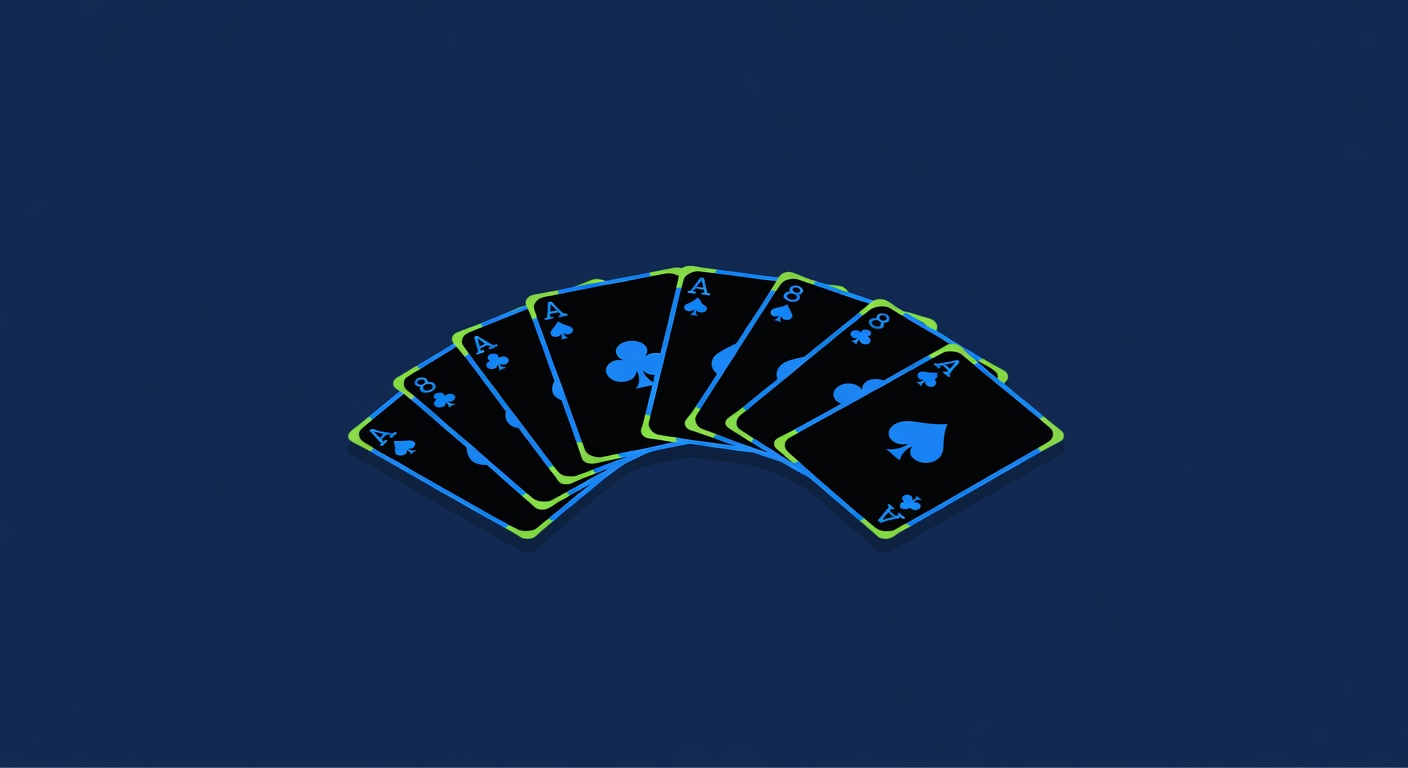
Wild Bill Hickok was shot in the back of the head while playing poker. The cards he held became known as the Dead Man's Hand: black aces and eights. The hand became a legend. The man became a myth.
By Elena Popov3 min read
Wild Bill Hickok and the Dead Man's Hand ExplainedA poker game. Wild Bill Hickok sits with his back to the door because all the other seats are taken.
A man named Jack McCall walks in. He's angry about a previous poker loss. He pulls a gun and shoots Hickok in the head.
Hickok collapses. The cards he held fall to the table. Two black aces. Two black eights.
The Hand's Legend
The dead man's hand is now synonymous with death in poker. A player holding aces and eights is said to have the dead man's hand.
But the designation of "black" aces and eights is unclear. Some accounts say Hickok held a pair of eights and a pair of aces. Some say he held other cards. The records are inconsistent.
What's consistent: Hickok was shot, he was holding cards, and the hand became legend.
Hickok's Reputation
Wild Bill Hickok was a gunslinger, a lawman, a gambler. He lived by reputation and died by violence.
He was known for being unbeatable at cards. He was also known for being quick with a gun. These two skills (poker and gunplay) defined him.
Why the Hand Matters
The dead man's hand became a symbol in poker culture. It represents risk and consequence. In a game where every hand could be your last (historically, in the Old West), a bad hand was more than a mathematical loss. It was a marker of fate.
Hickok's hand became immortalized because Hickok became immortalized. He was a famous person at a moment when media could capture his story and spread it.
The Historical Reality
Hickkok's death was mundane by historical standards. A man shot him out of revenge. It was a murder, not a tragic poker moment.
But the mythology makes it about poker. The hand he held becomes significant not because poker made him vulnerable, but because fame made the hand famous.
The Honest Interpretation
The dead man's hand is a legend that says more about how we mythologize history than about poker itself.
A man died. The cards he held became famous. This tells us something true: stories survive longer than facts. Hickok is remembered for the cards more than for the man.
The honest assessment is that this distinction matters most in the long run. Over hundreds of hands or bets, these details compound. But for casual players, understanding the basics is more important than mastering every nuance.
Additional Context
The distinction between these approaches matters because it affects how you navigate the experience. Over time, small differences in understanding compound into significant differences in outcomes.
Consider how expertise develops. A casual player might think all games are identical under the surface. A more sophisticated understanding reveals that each variation carries different risk profiles and different opportunities for skilled play.
The key insight is this: the more you understand the underlying mechanics, the better equipped you are to make decisions aligned with your goals. Whether your goal is entertainment, profit, or something in between, understanding these details gives you agency.
A final thought: the best players combine deep knowledge with consistent discipline. They know the odds, they understand the volatility, and they stick to their strategy regardless of short-term outcomes. This combination-knowledge plus discipline-is what separates long-term winners from everyone else.
The reason these topics matter is that they reveal something fundamental about gambling. It's not magic. It's not luck alone. It's a system with rules, probabilities, and outcomes that can be understood and managed if you put in the work.