
Crypto Gambling
Playing Slots With Bitcoin: How Bet Sizing Differs From Fiat
Bitcoin casinos price their games in satoshis, fractions of bitcoin, or dollar equivalents. The betting mechanics are identical to fiat casinos, but something changes psychologically when your money is digital and decentralized.
By Dmitri Volkov4 min read
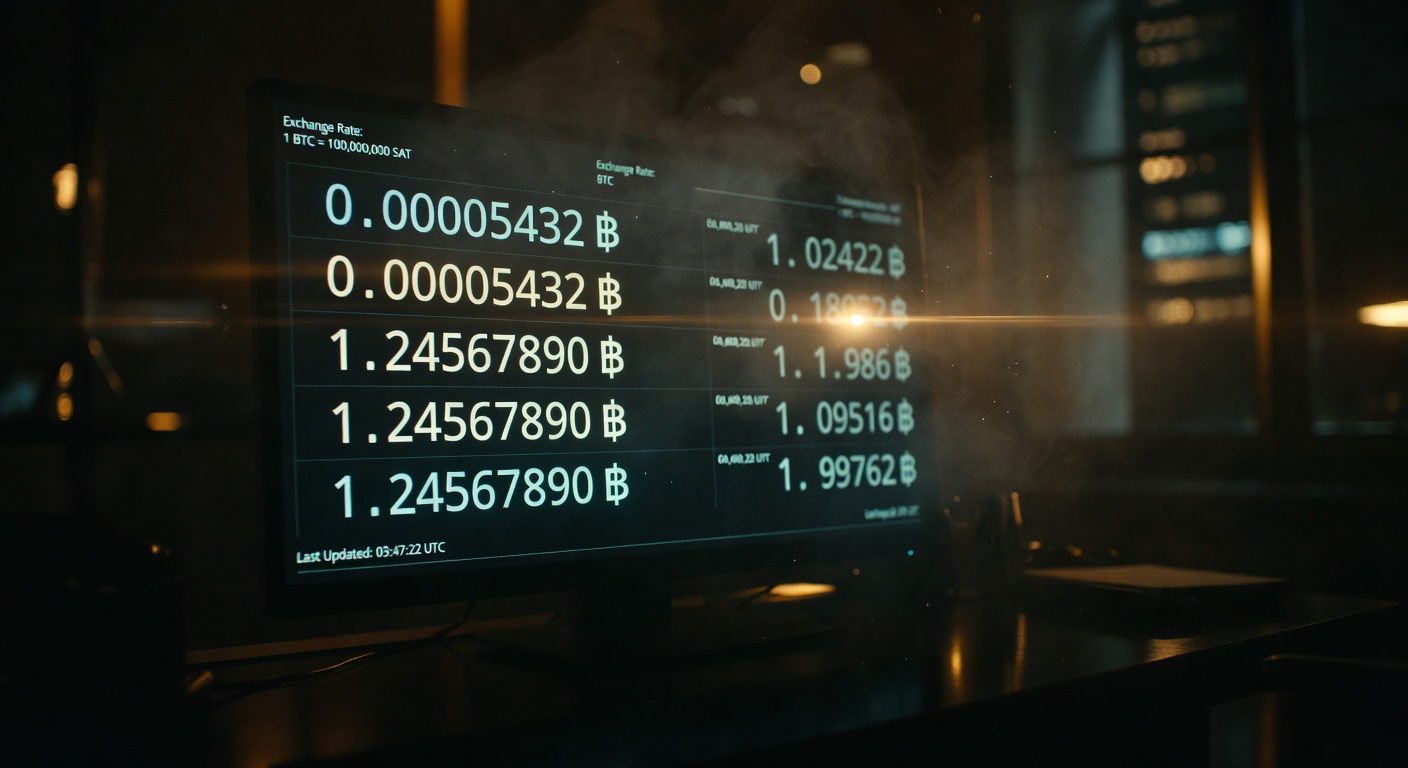
A bitcoin casino prices its slots in satoshis (one satoshi is one hundred millionth of a bitcoin). A slot machine might have a minimum bet of 1,000 satoshis, around 0.3 cents at current prices. A maximum bet might be 1 million satoshis, around 300 dollars at current prices. The math of the game is identical to a fiat casino. The odds, the RNG, the payouts are the same.
What changes is the perception. Bitcoin feels different from fiat. It's digital, decentralized, and carries cultural weight as a revolutionary currency. Betting with bitcoin feels less like gambling and more like participating in a financial system. This psychological difference affects behavior.
Key Concepts
Research on this is limited because bitcoin casinos are often unregulated and data is not publicly available. But anecdotal evidence suggests that players place larger bets in bitcoin casinos than they would in fiat casinos. This could be because bitcoin itself is volatile, making a bet of 0.01 BTC feel abstract relative to 300 dollars. The volatility of bitcoin overshadows the volatility of the game.
One mechanism: bitcoin casinos often offer provably fair games where the player can verify the randomness on-chain. This transparency appeals to technically minded players, who might believe the transparency means they have an edge. They don't. Provably fair doesn't mean player favorable. It just means verifiable. A player might place larger bets because they feel more confident in the fairness of the game, not realizing that fair odds can have any house edge.
Another mechanism: the friction of converting fiat to bitcoin creates psychological distance. If you have to buy bitcoin, convert it to a casino account, then play slots, there are multiple steps. Each step creates a moment where you could reconsider. Some people reconsider. Some people don't. The ones who don't tend to be more committed to gambling, so they place larger bets.
The payout structure in bitcoin casinos is usually 98-99 percent RTP (return to player), similar to fiat casinos. But some bitcoin casinos advertise higher RTPs as a marketing differentiator. They might claim 99.5 percent RTP instead of 98 percent. This is a 1.5 percent difference in house edge, which compounds over time. Players seeking edge often flock to higher RTP casinos, thinking they've found an advantage.
Withdrawal mechanics differ. Fiat casinos might take days to process withdrawals. Bitcoin casinos often process instantly. This speed affects psychology. If you lose money, you can't just leave it sitting in your account questioning whether to retrieve it. The money is either in your wallet or the casino's. The decisiveness of blockchain creates less opportunity for ambivalence.
One documented pattern: players who lose money in bitcoin casinos and win it back feel less relieved than players who do the same in fiat casinos. The hypothesis is that because the money was digital and the transactions were quick, the win didn't feel as consequential. The player's mood doesn't shift as much. This could encourage continued play because the emotional payoff of winning is muted.
Bet sizing specifically: in a fiat casino, a 100 dollar bet feels substantial. It's real money you're holding, counting, physically exchanging. In a bitcoin casino, a 0.003 BTC bet might represent the same 100 dollars, but it doesn't feel the same. The unit of bitcoin is so small that the psychological weight is different. You might bet 10 BTC without realizing you've just bet 300,000 dollars. The abstraction is dangerous.
One safety mechanism: bitcoin casinos should show both BTC and USD values for every bet and outcome. If they only show BTC, the player is making decisions without full information about the fiat value. Some casinos intentionally avoid showing USD values, which suggests they're exploiting the psychological abstraction.
The volatility of bitcoin itself creates additional complexity. If you deposit 1 BTC when it's worth 40,000 dollars, and bitcoin drops to 30,000 dollars while you're playing, your bankroll has lost value in absolute terms even if you haven't lost any bets. This is rarely discussed in gambling literature because fiat doesn't have this problem. Bitcoin players are betting against both the house and the asset itself.
Professional players treat bitcoin the same as fiat: as a medium of exchange for placing bets. They don't imbue it with additional meaning. But most people are not professional players. Most people who play bitcoin slots are influenced by the narrative around bitcoin as a revolutionary currency, and this narrative affects their betting behavior.
The data would be interesting if it existed: do players place larger bets in bitcoin casinos than fiat casinos? Do they lose money faster? Do they report higher satisfaction with losses? Without public data, this is speculation. But the psychological mechanisms suggest that bitcoin casinos might see larger bets and faster bankroll depletion than equivalent fiat casinos.
One final note: bitcoin casinos are often unregulated, which means players have no recourse if something goes wrong. Larger bets in unregulated environments create larger potential losses with no protection. This risk is sometimes invisible to players who are focused on the technological novelty of provably fair games.